New Beginnings for Tribal Students (NBTS) is an emerging program within Oregon State University's Extension and Engagement Open Campus. We walk alongside Tribal youth and Indigenous communities across Oregon and beyond, honoring sovereignty and supporting youth as they grow into their futures.
NBTS is built on relationships, respect, and reciprocity. Our work centers on the voices and strengths of students, families, tribal nations and indigenous communities. Together, we create pathways to higher education and career exploration that remain grounded in culture and identity.
.jpg?width=600&height=450&name=P1000329%20(1).jpg)
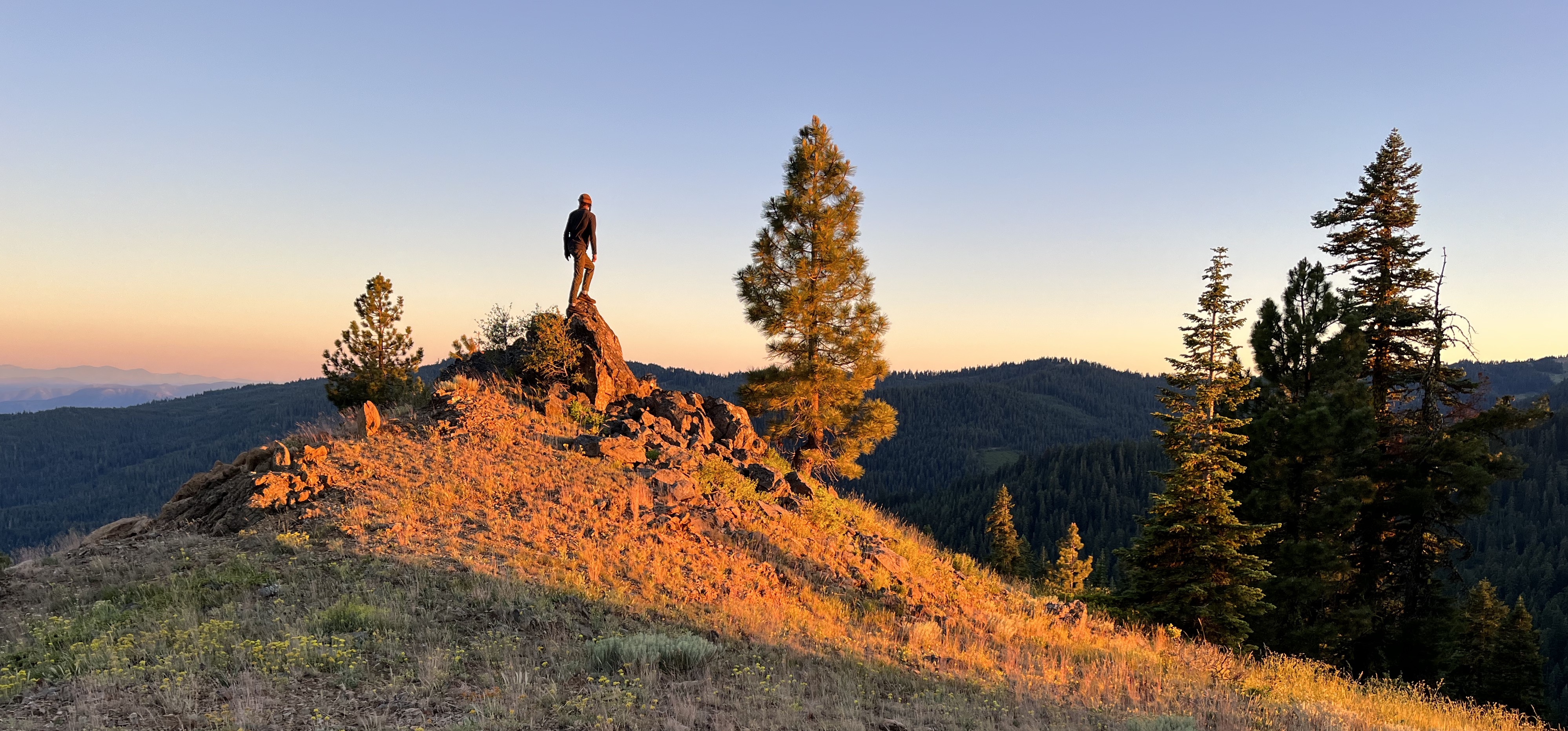
The Environmental Leadership for Youth (ELY) Camp is a residential summer experience for Tribal and Indigenous high school students, hosted on the Oregon State University main campus as part of the New Beginnings for Tribal Students (NBTS) program.

Join Us
NBTS is here for Tribal and Indigenous youth, their families and communities.
Together, we build spaces where young people can dream and thrive.
To learn more or get involved contact:
From college and career exploration to family workshops and cultural leadership camps, our programs provide resources and opportunities that reflect the strengths and needs of Oregon’s diverse communities. Explore the full menu of services offered across our programs.
Open Campus and Juntos work to expand access to education, careers, and opportunities through community-based partnerships and responsive services. As part of Oregon State University’s Extension Service, we aim to bring the university’s knowledge, research, and resources directly to the Oregon communities we serve.

Open Campus and Juntos provide local access to education through community-based partnerships and unique programming, meeting needs of the Oregon communities
we serve
Oregon State University Extension Service prohibits discrimination in all its programs, services, activities, and materials on the basis of race, color, national origin, religion, sex, gender identity (including gender expression), sexual orientation, disability, age, marital status, familial/parental status, income derived from a public assistance program, political beliefs, genetic information, veteran’s status, reprisal or retaliation for prior civil rights activity. (Not all prohibited bases apply to all programs.)